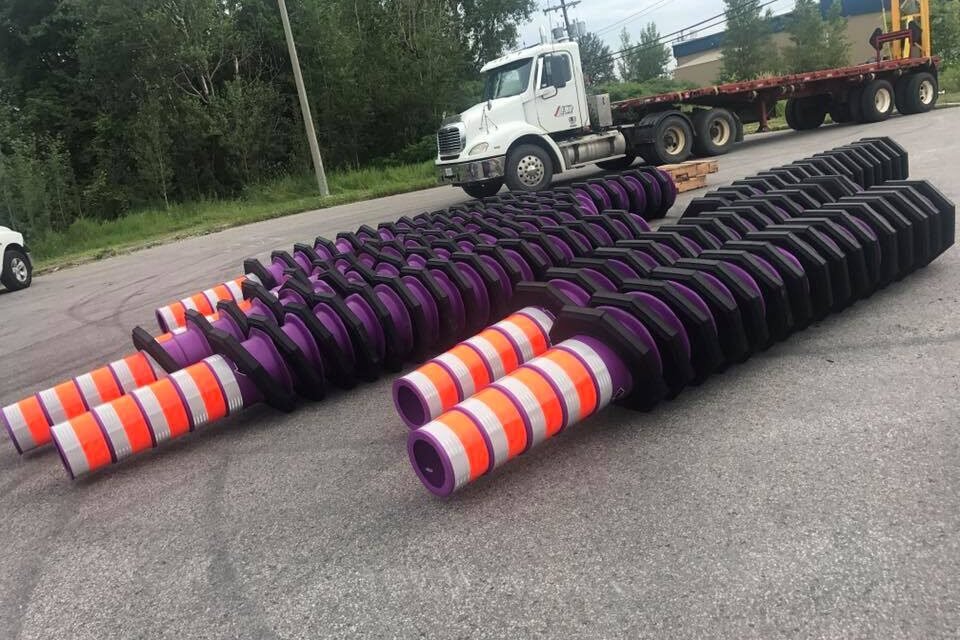
Traffic management in Montreal is a critical component of the city’s urban planning, ensuring that vehicles, cyclists, and pedestrians can navigate the bustling streets with ease and safety. As one of Canada’s largest and most populous cities, Montreal faces unique traffic challenges, including congestion, road construction, and an ever-growing population. Effective traffic management is essential to keeping the city running smoothly.
One of the primary strategies for traffic management in Montreal is optimizing traffic flow through smart traffic signals and real-time monitoring systems. These systems help reduce congestion, particularly during peak hours, by adjusting signal timings to match traffic volume. The city also uses advanced data analytics to identify problem areas and implement solutions that keep traffic moving efficiently.
Traffic management in Montreal also includes efforts to improve road safety. Well-maintained road signs, clear lane markings, and well-designed intersections help prevent accidents and ensure that all road users can travel safely. Additionally, Montreal prioritizes the needs of pedestrians and cyclists by integrating bike lanes, pedestrian crossings, and other infrastructure to ensure that everyone can move around the city safely.
In addition to improving road safety and efficiency, traffic management in Montreal supports sustainability. The city promotes public transportation, biking, and walking to reduce the number of cars on the road. This approach not only helps reduce traffic congestion but also decreases the city’s environmental impact.
In summary, traffic management in Montreal is a vital aspect of urban development, focused on improving the flow of traffic, enhancing safety, and promoting sustainable transportation options for residents and visitors alike.